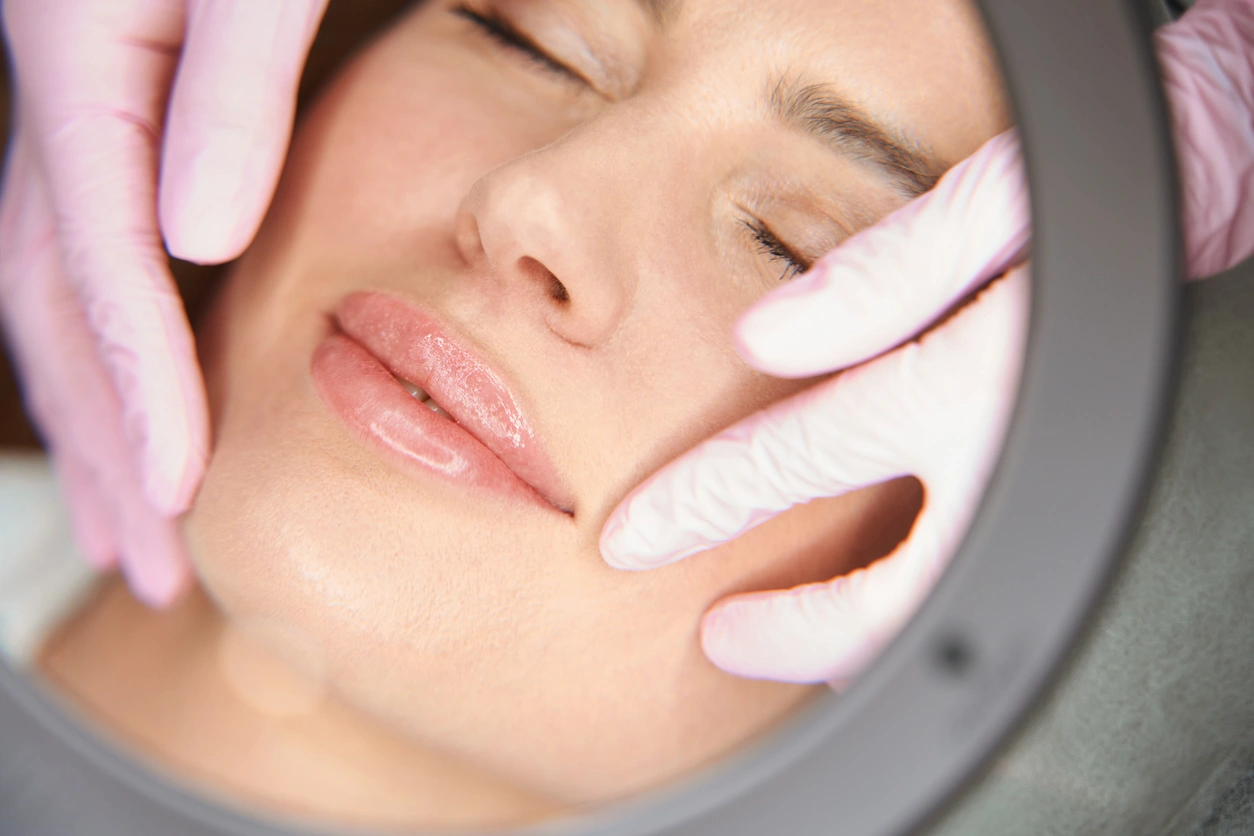

Controlled skin stimulation
Medical microneedling & exosomes in Munich-Bogenhausen
Medical microneedling uses fine needles and aims to stimulate the skin's repair and remodelling processes. Treatment depth, skin condition and aftercare play an important role. Any additional products are a separate decision.
Aesthetic Munich
What is medical microneedling?
During medical microneedling, numerous very fine needles enter the skin in a controlled manner. The mechanical stimulus aims to encourage natural repair and remodelling processes. The goal is a gradual improvement in skin texture and quality, without changing natural facial features through added volume.
Treatment depth and intensity depend on skin condition, the area and the goal. Possible reactions and aftercare are discussed beforehand.
Possible areas of use
- coarse-looking skin texture,
- fine lines,
- enlarged-looking pores,
- selected acne scars and other scars,
- skin showing signs of sun damage,
- an uneven complexion.
Not every skin change is suitable for microneedling. Active inflammation, certain skin conditions or unexplained changes may rule out treatment.
Acne scars differ
The depth, shape and nature of an acne scar affect which procedure may make sense. Superficial, depressed or tethered scars do not respond in the same way.
Complete removal of acne scars is not to be expected. In some cases, other or combined procedures may be more appropriate. You can find more about the different starting points under skin texture, pores and acne scars.
Medical or cosmetic microneedling?
The term microneedling covers applications with different depths and intensities. The actual planned application and its associated risks are more important to your decision than the name.
Cosmetic microneedling is described in relation to complexion and skincare. Medical microneedling can be more intensive and directed at selected structural changes. Which option may be considered depends on skin condition and the treatment goal.
Exosomes: what the term means
Exosomes are very small vesicles released by cells. They are involved in communication between cells. In aesthetics, products containing or based on exosomes are discussed particularly in connection with treatments that stimulate the skin.
Exosomes are neither living cells nor stem cells. They should therefore not be equated with stem cell treatment.
Why additional products need separate assessment
Products marketed with exosomes may differ in origin, composition and intended application. A shared name does not mean a shared effect.
The question of an additional product is discussed separately from the decision to have microneedling. A product intended for use on the skin is not automatically suitable for use after needling or for injection.
Procedure and development of results
After skin assessment and an informed-consent discussion, the intensity, area and treatment plan are agreed. Anaesthesia may be considered depending on intensity and area.
Skin changes develop gradually. The number of sessions, intervals and aftercare are determined by skin condition, intensity and individual progress.
Possible reactions, downtime and risks
Possible effects include more pronounced or prolonged redness, swelling, bruising, skin irritation, infections or pigmentation changes. Further risks depend on treatment depth, skin type, area and the products used.
How long the skin remains visibly red or irritated depends on factors including intensity, the treated area and your skin's response. Allow sufficient time before important appointments and discuss the expected recovery period beforehand.
Frequently asked questions
No. The type and depth of scars determine what improvement is realistic. Some scars require other or combined procedures.
No. Exosomes are neither living cells nor stem cells.
No. Conventional microneedling provides a mainly mechanical stimulus. Morpheus8 adds radiofrequency energy at defined tissue depths.
A course of treatment is often planned. The number and intervals depend on skin condition, the goal, intensity and individual response.

Here for you
Targeted treatment for skin texture in Munich
Describe whether scars, pores or another change in the skin surface is your main concern. The consultation covers an achievable goal, alternatives and possible skin reactions.